
Latest News
Revised Housing Land Supply Figures
Revised Housing Land Supply
Read more
BNG Consultation Document Published
BNG Review
Read more
Grey Belt Planning - South Oxfordshire Council
Grey Belt Planning Appeal
Read more
Development Opportunities - NPPF December 2024
New Housing Land Supply and Standard Method create new opportunities
Read more
Access Audits and what to do with them
Commissioning an Access Audit is just the start. It's what you do with it next that really counts. See our top tips.
Read more
Disabled Access - Harnessing the Power of the Purple Pound
Ian Eggleton, Director of Access Consultancy considers why actively welcoming disabled people isn't just the right thing to do, it makes great business sense.
Read more
Goodbye 4 Year Rule for Unauthorised Development
New time limits for enforcement come into effect on the 25th April 2024
Read moreVacancy - Assistant Building Surveyor
We are looking to appoint a newly qualified Chartered Surveyor or a Surveyor with significant experience (4-5years +)to support our head of Building Surveying and Senior Building Surveyors.
Read more
Solar Panels Permitted Development Rights
On November 30, 2023, the Department for Levelling Up, Housing and Communities (DCLG) announced significant amendments to the General Permitted Development Order (GPDO).
Read more
Planning Appeals: Your Questions Answered
Our Planning Consultants deal with many planning appeals, for all forms of development (both Public and Private Sector) and we pride ourselves on assessing planning decisions and providing realistic advice to clients on the merits of whether an appeal is appropriate and/ or the appropriateness of a local authority defending a decision to refuse consent.
Read more
Award Winning Leckhampton High School Cheltenham
Evans Jones completed the planning application for the new 900-place secondary school in Cheltenham, catering to students aged 11 to 16.
Read more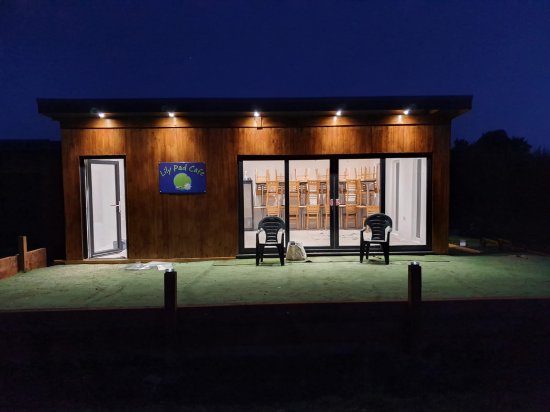
Pro Bono Advice for Gloucestershire Based Not-for-Profit
Catch a Smile is a Gloucestershire based not for profit CIC company created by husband-and-wife team Danny & Caroline Keene.
Read more